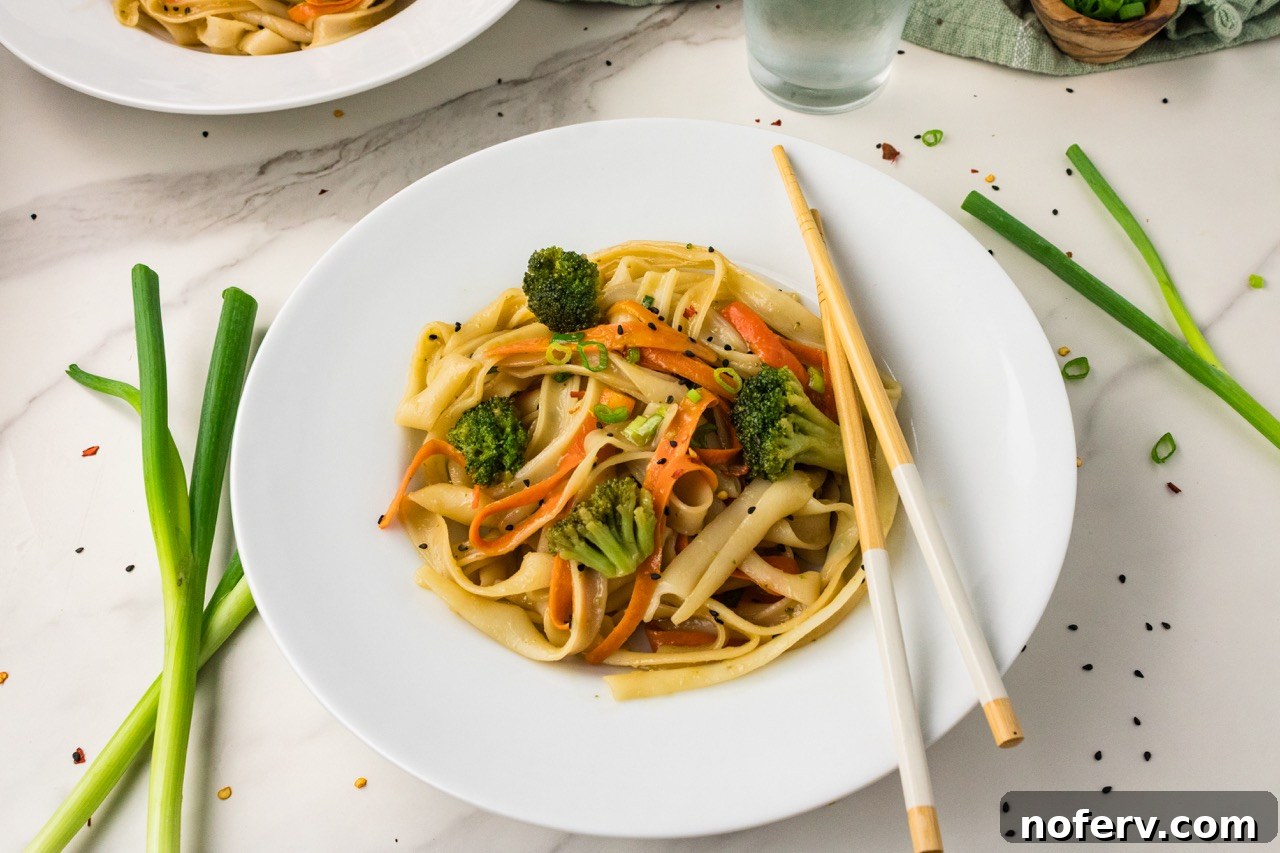
These teriyaki rice noodles are tossed with broccoli, delicate carrot ribbons, and a glossy homemade teriyaki sauce. A fast stir-fry that rivals takeout and is ideal for busy weeknights.
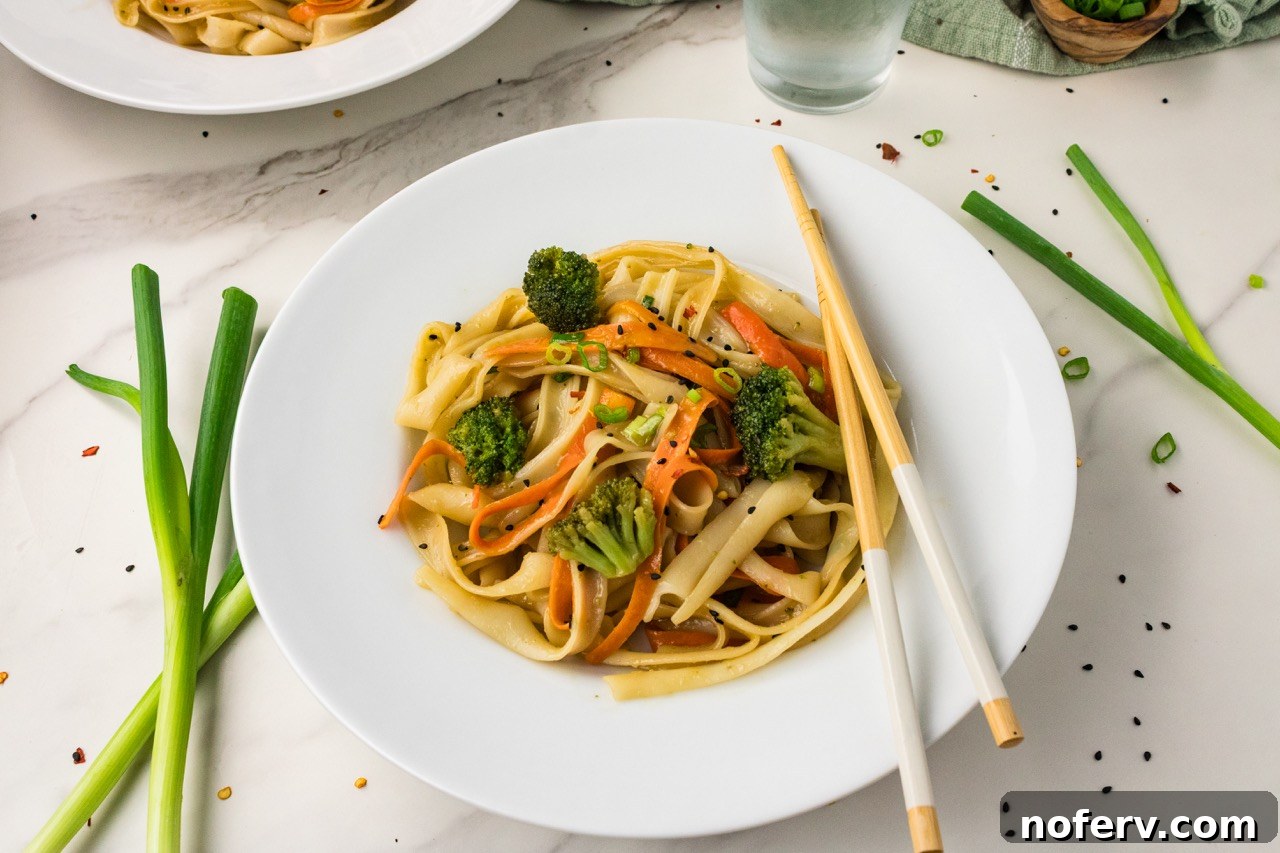
I return to this recipe when I want a flavorful dinner in a hurry. The sauce is homemade but comes together in moments, and the dish is forgiving — swap in any vegetables you have on hand. It pairs well with bell peppers, bok choy, snap peas, mushrooms, or shredded cabbage. You can also add tofu, tempeh, or edamame for protein, and it’s straightforward to keep this vegan and gluten-free with a few simple ingredient choices.
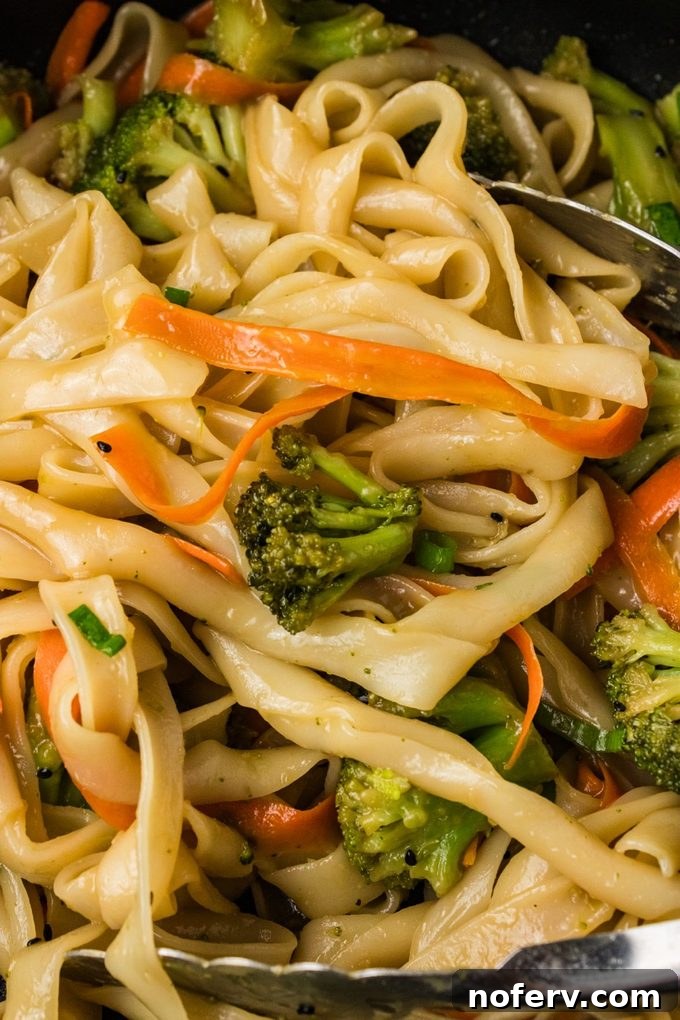
Why You’ll Love This Teriyaki Noodles Recipe
- Quick and efficient. Prep is minimal and the skillet work is fast, making this an excellent weeknight option.
- Homemade teriyaki sauce. You control the balance of sweet and savory, and it uses common pantry staples.
- Highly adaptable. Swap vegetables or add protein to suit your preferences or what’s in the fridge.
- Easy to accommodate diets. With rice noodles and tamari or liquid aminos, the dish can be gluten-free and vegan.
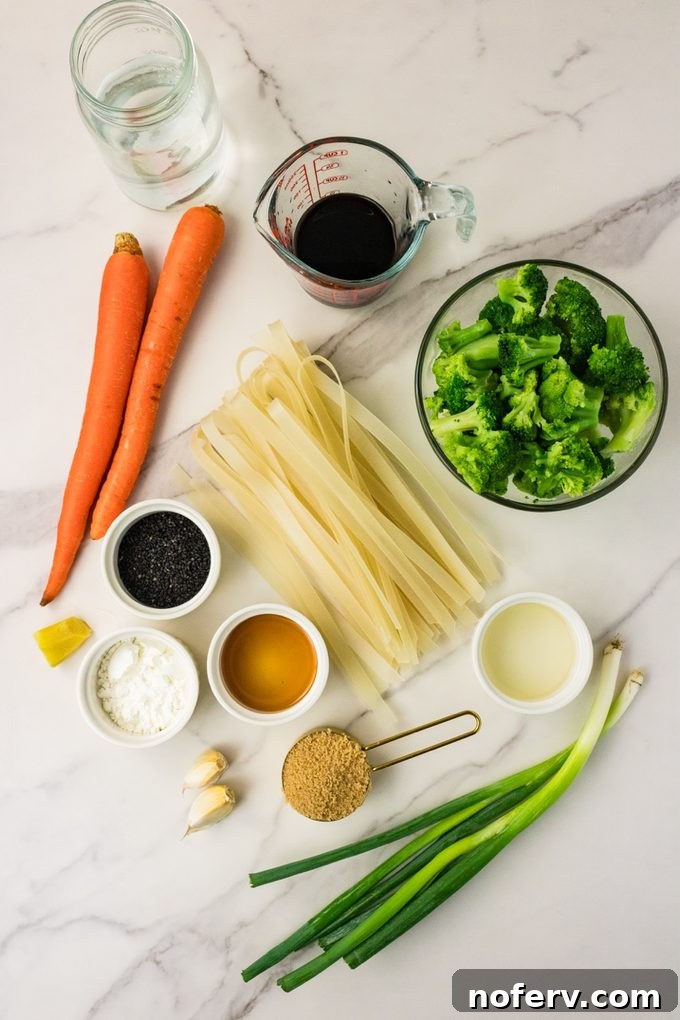
Ingredients & Substitutions
- Rice noodles: Use wide rice noodles, rice linguine, or stir-fry rice noodles; the broader strands hold sauce well.
- Broccoli florets: Fresh gives the best texture, but frozen is a convenient alternative.
- Carrots: Carrot ribbons made with a peeler look pretty and soften quickly; shredded carrots also work.
- Sesame oil: Provides a toasty note — substitute olive oil for a milder flavor if needed.
- Green onions and sesame seeds: Optional garnishes that add freshness and texture.
- Liquid aminos: A savory salty base for the sauce; tamari or low-sodium soy sauce can be used instead (note soy sauce is not gluten-free unless labeled tamari).
- Brown sugar: Gives the sauce its classic sweetness; honey or maple syrup are suitable alternatives — use maple syrup to keep the recipe vegan.
- Rice vinegar: Adds brightness to balance the sweetness.
- Fresh ginger and garlic: Grated fresh is best for aroma and flavor, though dried forms can substitute in a pinch.
- Cornstarch and water: A slurry of cornstarch and water thickens the sauce into a glossy coating.
How to Make Teriyaki Rice Noodles
Tips for the Best Teriyaki Noodles
- Rinse noodles after draining. A quick cold rinse removes excess starch so the noodles stay separate while you cook the vegetables.
- Keep an eye on the sauce. The cornstarch thickens quickly; if it becomes too thick, thin it with a tablespoon or two of water and toss to combine.
- Adjust salt carefully. Saltiness varies by brand of liquid aminos or soy sauce, so taste and adjust the seasoning rather than adding the full amount blindly.
- Use a roomy pan. A large skillet or wok prevents the noodles from tearing and makes tossing easier.
- Prefer softer vegetables? Cook them a little longer before adding the sauce until they reach your desired tenderness.
How to Make The Best Teriyaki Noodles
This base recipe is flavorful on its own, but small tweaks let you tailor it to your tastes:
- Less sweet: Reduce the brown sugar slightly.
- More aromatic: Add another teaspoon of grated ginger or an extra clove of garlic.
- Want heat? Stir in ½ teaspoon crushed red pepper flakes or drizzle sriracha over individual servings.
- Alternate sweeteners: Honey or maple syrup work in place of brown sugar; choose maple to keep the dish vegan.
- Finish well: Extra sliced scallions and sesame seeds on top add brightness and crunch.
Easy Variations
- Add protein: Crispy pan-fried tofu, tempeh, or shelled edamame make great additions.
- Add more vegetables: Bell peppers, snap peas, mushrooms, bok choy, or shredded cabbage all pair nicely.
- Make it gluten-free: Choose rice noodles and liquid aminos or tamari labeled gluten-free; when replacing with soy sauce, use tamari to keep the dish gluten-free.
How to Store and Reheat Leftovers
This dish is best enjoyed right away, but leftovers keep well in an airtight container in the refrigerator for up to three days. Reheat in a skillet over medium-low heat with a splash of water and toss until warmed through and the sauce loosens. Microwaving works for single portions: add a little water, cover, and heat in short bursts, stirring between intervals to prevent drying.
Frequently Asked Questions
Can I use soy sauce or tamari instead of liquid aminos? Yes. For similar flavor, substitute tamari or low-sodium soy sauce. If using regular soy sauce, start with a bit less and add water to balance so the sauce doesn’t become too salty.
What type of noodles work best? Wide rice noodles or rice linguine are ideal because the broader strands capture the sauce better than thin vermicelli.
Can ramen noodles be used? Yes: cook and drain the ramen, discard the seasoning packet, then add to the skillet. Most ramen is wheat-based, so it won’t be gluten-free.
Are pre-shredded carrots or frozen broccoli OK? Absolutely — they make the recipe faster. Fresh carrot ribbons and fresh broccoli give the best texture, but convenience options are fine for busy nights.
Can I make the sauce ahead of time? Yes. Simmer the sauce in a small saucepan until it thickens, refrigerate, and add to the stir-fry when ready. Reheat briefly and loosen with a splash of water if it firms up in the fridge.
Other Teriyaki Dishes
If you like these flavors, try teriyaki-style tofu or tempeh preparations that use the same sweet-savory sauce and pair nicely with rice noodles, steamed rice, or roasted vegetables.
Teriyaki Rice Noodles
- Author: Liz Thomson
- Prep Time: 8 minutes
- Cook Time: 12 minutes
- Total Time: 20 minutes
- Yield: 6 cups
- Category: Dinner
- Method: Stovetop
Ingredients
For the noodles:
- 8 ounces rice noodles
- 2 cups broccoli florets (fresh or frozen)
- 1 cup carrots, peeled into long ribbons
- 1 tablespoon sesame oil
- 2 green onions, thinly sliced
- 1 tablespoon black sesame seeds
For the sauce:
- 1/3 cup liquid aminos (or tamari/soy sauce)
- 1/4 cup packed brown sugar
- 2 tablespoons rice vinegar
- 1 teaspoon sesame oil
- 1 teaspoon freshly grated ginger
- 2 cloves garlic, grated
- 1 tablespoon cornstarch
- 1/4 cup water
Instructions
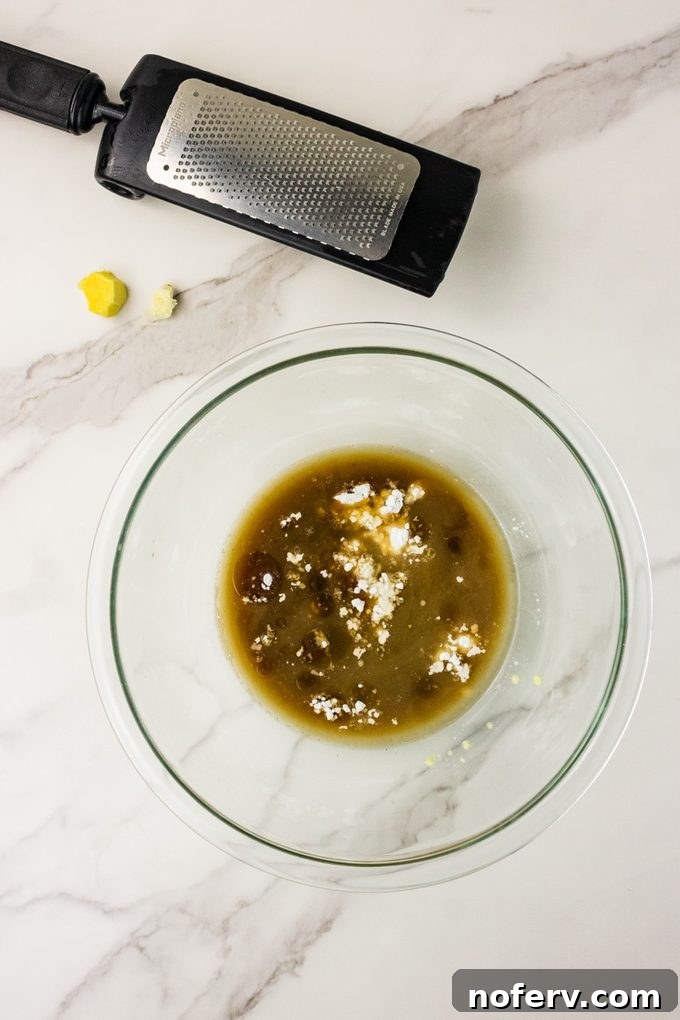
- Add the liquid aminos (or tamari), brown sugar, rice vinegar, sesame oil, grated ginger, grated garlic, cornstarch, and water to a small bowl. Whisk until the cornstarch dissolves, then set the sauce aside.
- Prepare the rice noodles according to package directions. Drain and set them aside so they are ready to add to the pan.
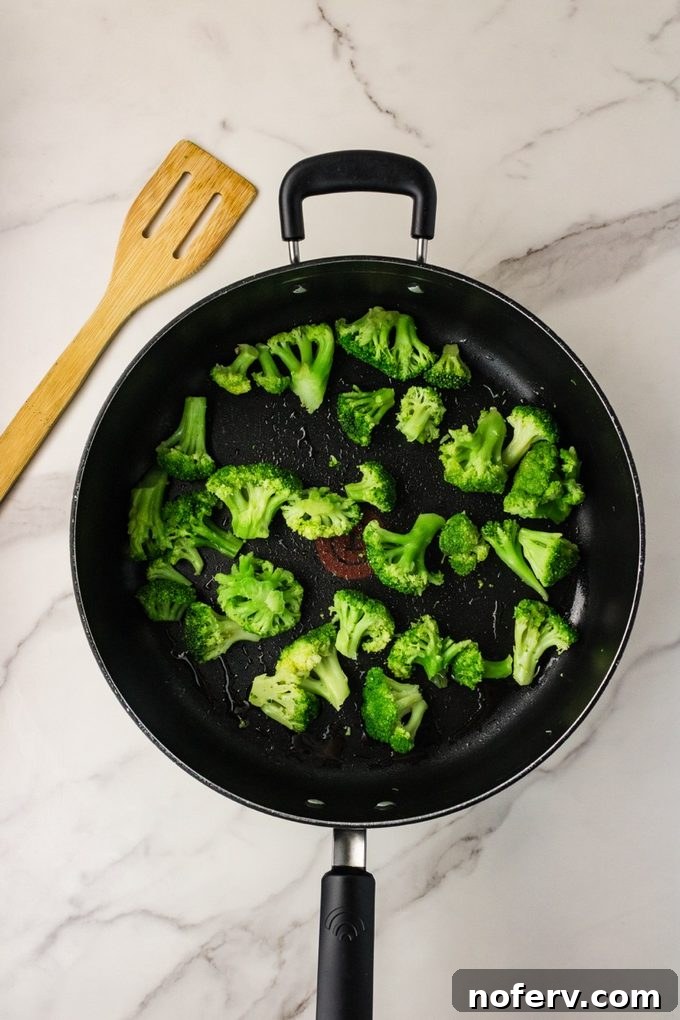
- Heat sesame oil in a large skillet or wok over medium-high heat. Add the broccoli and stir-fry for about 2 minutes so it begins to soften.
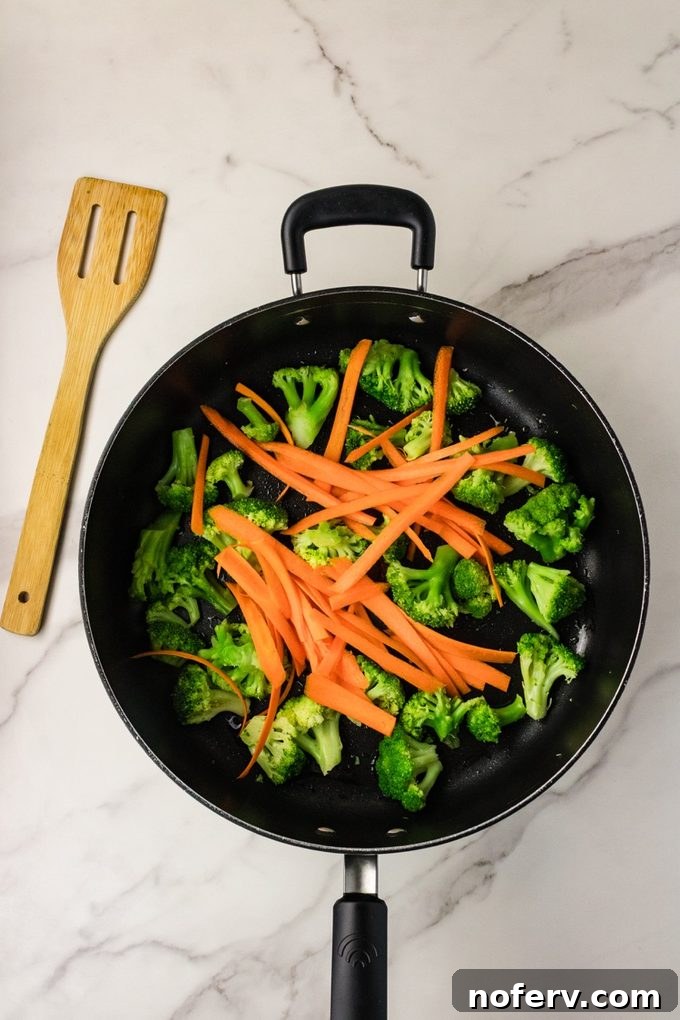
- Add the carrot ribbons and cook for another 2–3 minutes until the broccoli is crisp-tender and the carrots have softened slightly.
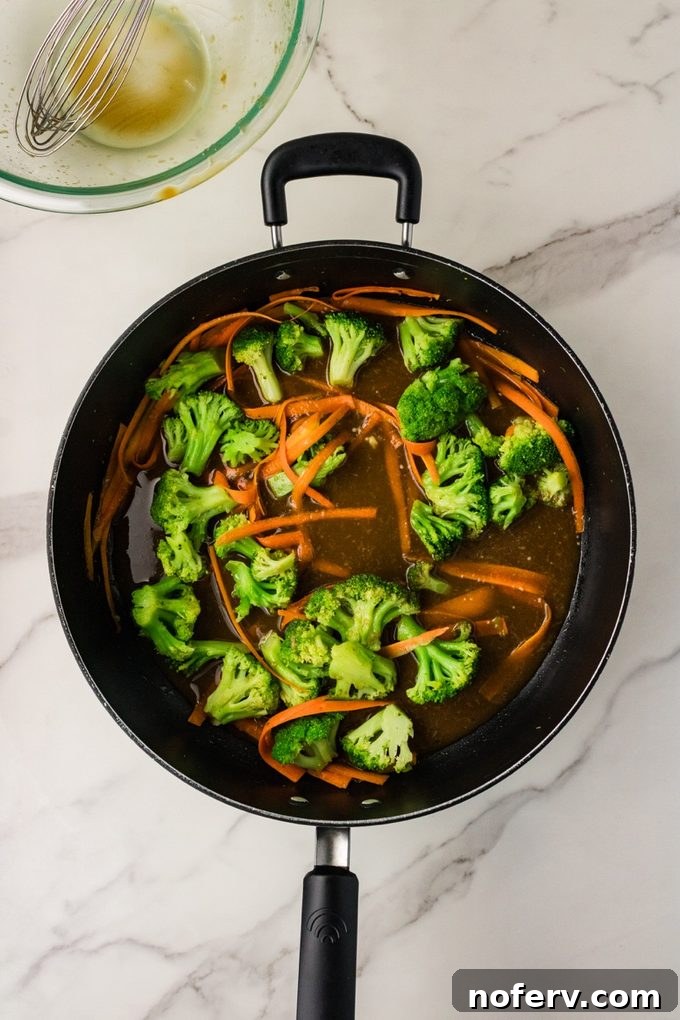
- Give the sauce a quick stir (the cornstarch can settle) and pour it over the vegetables. Cook 2–3 minutes, stirring frequently, until the sauce thickens and becomes glossy.
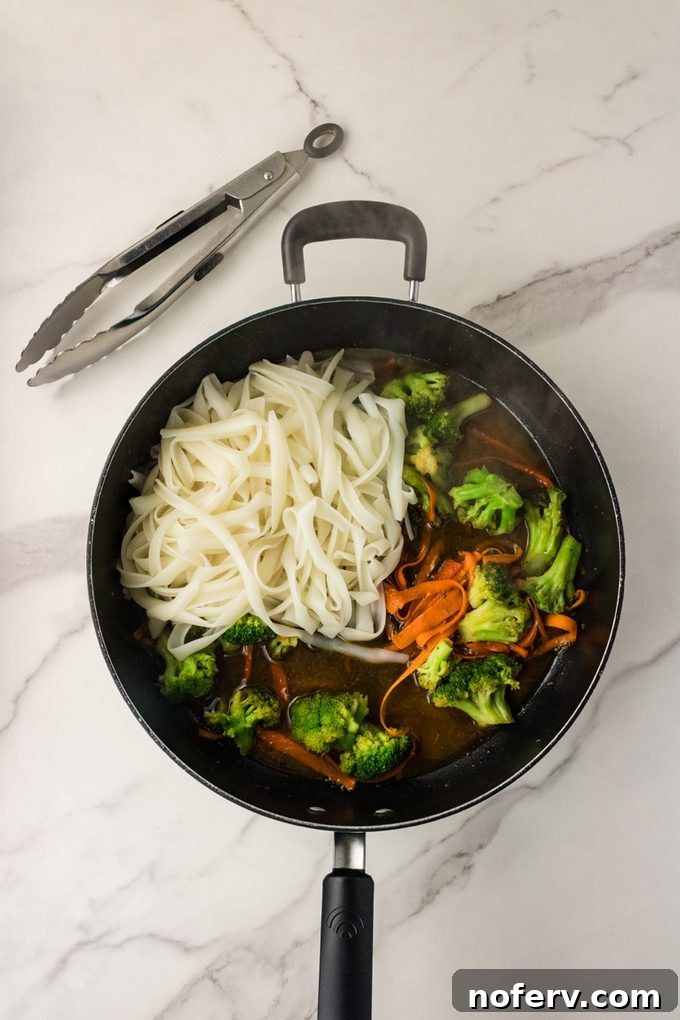
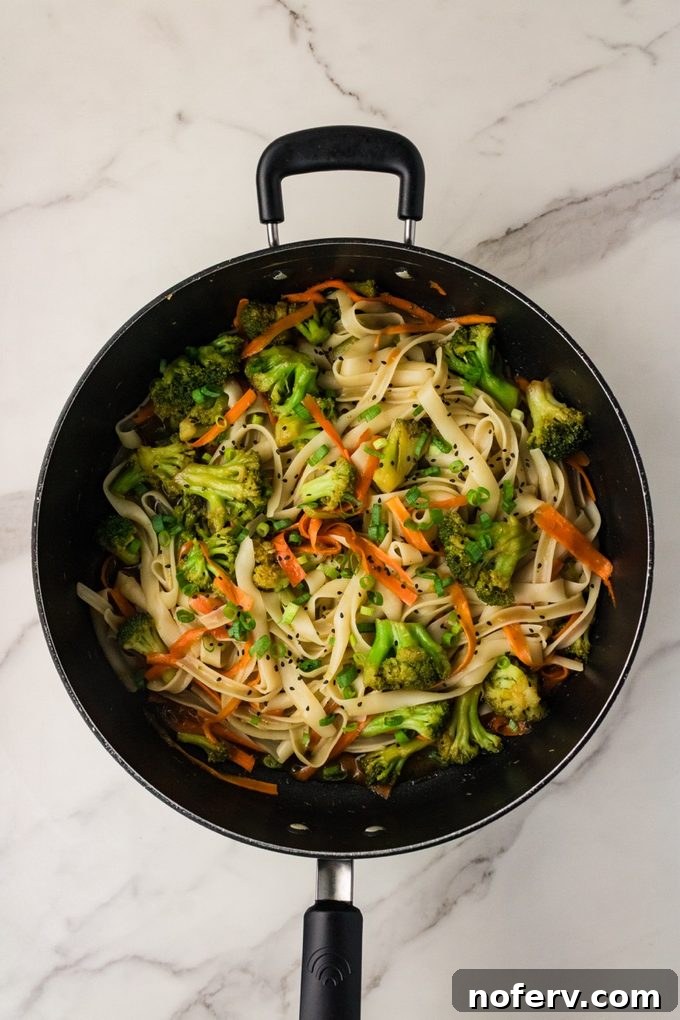
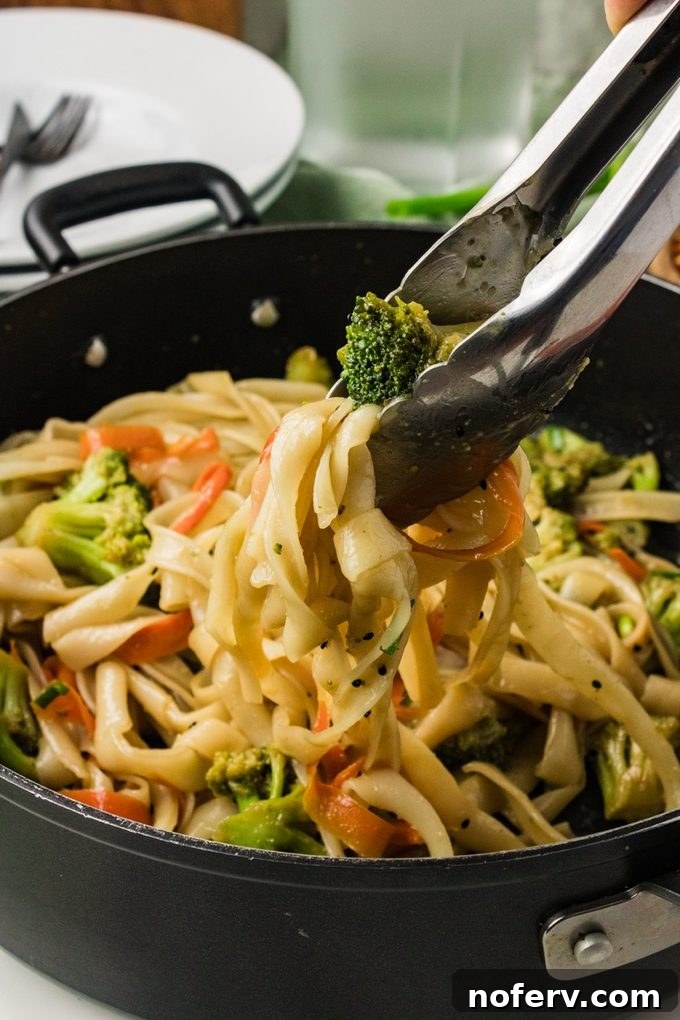
- Add the cooked rice noodles to the skillet. Using tongs, gently toss the noodles with the broccoli and carrots until everything is evenly coated. If the sauce becomes too thick, add a tablespoon or two of water and toss to loosen the consistency.
- Remove from heat, toss with sliced green onions, and sprinkle with black sesame seeds. Serve immediately.


