
If you’ve ever found yourself thinking, “I really *want* to like kale, but I just can’t,” you’re not alone. This vibrant leafy green often gets a bad rap for its perceived bitterness or tough texture. However, the truth is, most people who struggle with kale simply haven’t experienced it prepared correctly. It’s a culinary journey, not a love-at-first-bite affair, and with a few simple adjustments, kale can transform from a challenging superfood into a delicious staple in your diet. Let’s explore the common missteps that might be preventing you from embracing this nutritional powerhouse and discover how to unlock its full potential.
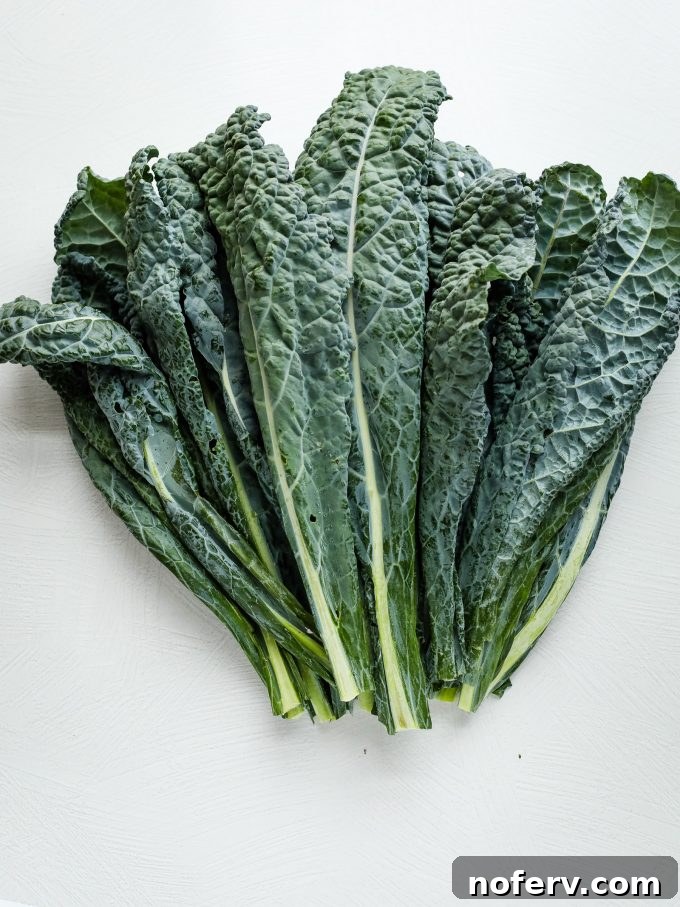
Kale might be a trendy ingredient lauded for its incredible health benefits, but its strong flavor and hearty texture can be intimidating if you don’t know the secrets to preparing it right. Many aspiring kale lovers give up after a single disappointing experience, convinced that it’s simply not for them. But what if I told you that your past negative encounters were likely due to easily avoidable mistakes? Learning how to properly handle kale can revolutionize your perception of this versatile vegetable, turning it into a cherished component of your meals. From vibrant salads to comforting cooked dishes, kale is capable of so much more than you might imagine.
Neglecting to Remove the Kale Stems
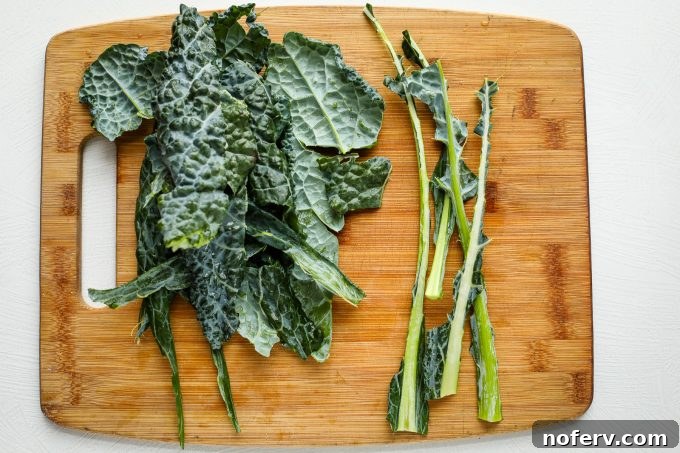
One of the most frequent errors in kale preparation, and arguably the most impactful on its taste and texture, is failing to remove the tough, fibrous stems. Kale stems are notoriously bitter and incredibly difficult to chew, often leaving you with an unpleasant, woody sensation in your mouth. Imagine trying to eat a tree branch for dinner – that’s often how un-destemmed kale can feel! The stems contain compounds that contribute to kale’s overall bitterness, and their rigidity means they don’t tenderize easily, even with extensive cooking. Leaving them in can overshadow the delicate flavor of the leaves and make your salad or cooked dish a chore to eat.
Fortunately, removing kale stems is a quick and simple process. There are a couple of popular methods: you can fold the kale leaf in half lengthwise and then use a knife to slice the stem away from the leafy greens. Alternatively, and often quicker for larger quantities, you can simply grasp the stem at the base of the leaf with one hand and then, with the other hand, tear the leafy greens away from the stem, moving upwards. Once removed, these stems can be discarded, composted, or if you’re feeling adventurous and don’t mind a strong bitter kick, they can be juiced. However, for most recipes and palates, separation is key to a truly enjoyable kale experience. This single step can dramatically improve the palatability of your kale, making it much more approachable and enjoyable.
Skipping the Essential Kale Massage
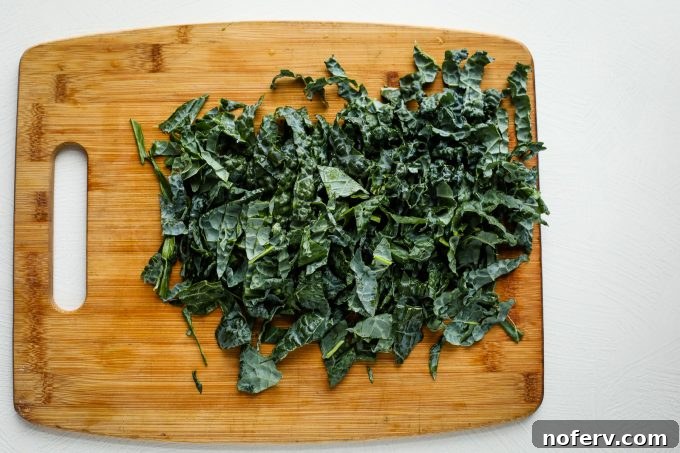
Unlike more delicate greens like spinach or butter lettuce, kale is a robust vegetable with a naturally tough cellular structure. If you’ve ever wondered, “Why is kale so hard to chew?”, the answer lies in its resilience. To transform this sturdy green into a tender, succulent ingredient, it requires a little tender loving care in the form of a good massage. This isn’t just a quirky culinary trend; it’s a crucial step that physically breaks down the rigid cell walls of the kale, releasing its natural sweetness and making it significantly easier to chew and digest.
After you’ve thoroughly washed and de-stemmed your kale, place the torn leaves in a large bowl. This is where the magic happens. You want to literally massage the leaves with your hands, usually with the addition of a little fat and acid. A simple and incredibly effective combination is a drizzle of olive oil, a squeeze of fresh lemon juice, and a pinch of salt and pepper. Pour these ingredients over the kale, and then get your hands in there! Gently yet firmly squeeze, scrunch, and rub the leaves between your fingers for about one to two minutes. You’ll notice a remarkable transformation: the kale will visibly soften, darken slightly, and reduce in volume, becoming silken and pliable. This process not only tenderizes the kale but also helps to mellow out its inherent bitterness, preparing it perfectly for salads or any other dish. Once massaged, your kale is ready to absorb flavors and offer a delightful texture that you might have previously thought impossible.
Overwhelming Your Palate with Too Many Unfamiliar Flavors
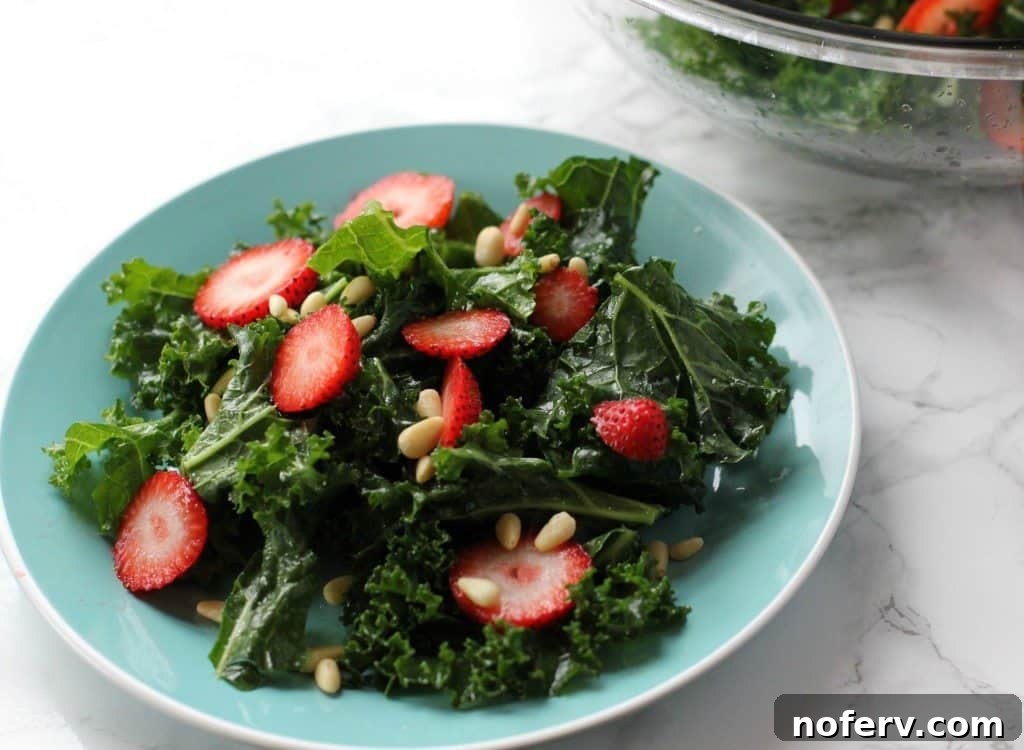
When introducing a new food, especially one with a distinctive character like kale, it’s often best to pair it with familiar, comforting flavors. Trying to embrace kale in an overly complex or exotic dish right away can be counterproductive, potentially reinforcing any preconceived notions about its taste. The psychology of food acceptance suggests that familiarity breeds comfort, and comfort makes new experiences more enjoyable. Think of it as a stepping stone approach to incorporating kale into your diet.
You’ve probably noticed the surge in popularity of kale Caesar salads, and while a classic Caesar dressing might not be the pinnacle of health (let’s be honest, it’s often creamy, rich, and accompanied by croutons and cheese), it serves as an excellent “gateway” kale dish. The robust, savory, and often tangy flavors of Caesar dressing, combined with the familiar crunch of croutons and salty parmesan, effectively mask kale’s raw bitterness while allowing you to gradually adapt to its unique texture. This familiar framework can make the experience of eating kale far more pleasant. Once you’ve found a comfortable entry point and your palate begins to accept and even appreciate kale, you’ll feel more confident and adventurous to experiment with healthier, more innovative preparations. Start small, pair it with what you love, and slowly expand your kale horizons.
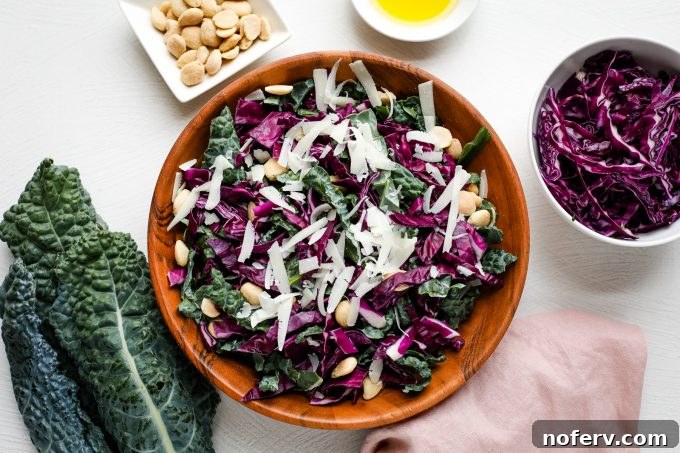
Choosing the Wrong Dressing for Your Kale
Kale possesses a naturally bitter edge, a characteristic shared by many dark leafy greens. To truly enjoy it, especially in its raw salad form, it needs a dressing that can effectively counteract or complement this bitterness while also aiding in its tenderization. A poorly chosen dressing, or one that lacks sufficient acidity or fat, can exacerbate kale’s less desirable qualities, leading to a disappointing culinary experience.
The key to a successful kale dressing lies in balancing flavors and textures. Acidic components are crucial because they not only cut through bitterness but also help to further break down the tough fibers in kale, making it even easier to chew and digest. As previously mentioned, a simple yet effective combination is fresh lemon juice and good quality olive oil. Lemon juice provides that essential bright acidity, while olive oil adds richness, helps absorb fat-soluble vitamins (like Vitamin K, abundant in kale!), and contributes to the kale’s softened texture. Other excellent acidic options include white balsamic vinegar, apple cider vinegar, or even red wine vinegar. Beyond acidity, incorporating a touch of sweetness (like a hint of maple syrup or honey) can beautifully round out the flavors, while savory elements (like garlic, Dijon mustard, or nutritional yeast) can add depth. Don’t be afraid to experiment with homemade dressings; they allow you to control the balance of flavors perfectly, ensuring your kale salad is always a delicious hit.
The Abundant Health Benefits of Embracing Kale
Beyond taste and texture, one of the most compelling reasons to give kale another chance is its extraordinary nutritional profile. Often hailed as a superfood, kale is packed with an impressive array of vitamins, minerals, and antioxidants, making it a powerful addition to any diet. It’s an excellent source of Vitamin K, essential for blood clotting and bone health, and an outstanding source of Vitamin A, vital for vision and immune function. Kale also provides a significant amount of Vitamin C, a potent antioxidant that supports immune health and collagen production.
Furthermore, kale is rich in powerful antioxidants like quercetin and kaempferol, which have been studied for their potential anti-inflammatory and cancer-fighting properties. It’s also a good source of fiber, which promotes digestive health and can help regulate blood sugar levels. Despite its dense nutrient content, kale is incredibly low in calories, making it a fantastic food for weight management and overall wellness. By learning to prepare kale deliciously, you’re not just enhancing your meals; you’re investing in your health.
Exploring Different Types of Kale and Their Best Uses
Not all kale is created equal, and understanding the nuances between varieties can further enhance your appreciation and culinary success with this green. Each type offers slightly different textures and flavors, lending themselves to various preparations:
- Curly Kale: This is perhaps the most common variety, recognized by its ruffled, dark green leaves. It has a slightly bitter, peppery flavor and a hearty texture. Curly kale is excellent for salads (especially after massaging), sautéing, roasting into crispy kale chips, or adding to soups and stews where it can hold its shape well.
- Lacinato Kale (Dinosaur or Tuscan Kale): With its deep blue-green, elongated, and slightly crinkled leaves, Lacinato kale (often called Dinosaur kale) has a milder, sweeter flavor than curly kale and a more tender texture. It’s fantastic in salads, often requiring less intense massaging, and shines in Italian-inspired dishes, stir-fries, or braised preparations.
- Red Russian Kale: Featuring flat, oak-leaf-shaped leaves with reddish-purple stems, Red Russian kale is one of the sweetest and most tender varieties. Its mild flavor makes it superb for raw salads, smoothies, or lightly sautéed dishes where its delicate texture can be appreciated.
Experimenting with different types can help you find your favorite and expand your kale repertoire.
Beyond Salads: Versatile Kale Preparations
While kale salads are a fantastic starting point, limiting yourself to raw preparations means missing out on a world of delicious possibilities. Kale is incredibly versatile and can be incorporated into a wide array of cooked dishes, often becoming even more tender and less bitter once heated. Here are just a few ideas:
- Sautéed Kale: A quick sauté with garlic and olive oil is a classic for a reason. The heat wilts the kale, making it tender, and the garlic infuses it with irresistible flavor.
- Roasted Kale Chips: Toss de-stemmed kale with a little olive oil and salt, then roast until crispy for a healthy, addictive snack.
- Added to Soups and Stews: Kale holds up beautifully in simmering liquids, adding nutrition and texture to hearty soups, chilis, or stews. Add it towards the end of cooking to retain some vibrancy.
- Smoothies: Don’t be afraid to blend kale into your morning smoothie! Its flavor is easily masked by fruits like banana, berries, and mango, providing a powerful nutritional boost without an overpowering taste.
- Pasta Dishes: Stir sautéed kale into your favorite pasta recipes or use it as a base for pesto.
- Egg Dishes: Wilted kale makes a delicious addition to omelets, frittatas, or scrambled eggs.
By exploring these different cooking methods, you’ll find countless ways to make kale a regular and enjoyable part of your meals.
Tips for Buying and Storing Kale
To ensure you’re starting with the best possible kale, pay attention when purchasing. Look for kale with vibrant, deep green (or purple) leaves that are crisp and firm, not wilted or yellowing. The stems should also be firm. Avoid bunches with signs of damage or sliminess. Once home, store kale unwashed in a loose plastic bag in the crisper drawer of your refrigerator. It can last for up to a week, though it’s best consumed within a few days for optimal freshness and flavor. Wash it thoroughly right before you’re ready to use it.
Kale Recipes to Try and Love
Ready to put these tips into practice and truly fall in love with kale? Here are some fantastic recipes to get you started on your journey:
- Garlicky Kale with Quinoa
- Parmesan Kale Salad
- White Balsamic Kale Salad
- Cheesy Kale Chips
In conclusion, kale is far from the intimidating, bitter green it’s often made out to be. With the right preparation techniques – de-stemming, massaging, pairing with familiar flavors, and choosing appropriate dressings – you can unlock its incredible potential for both taste and nutrition. Don’t let past experiences deter you; give kale another chance, armed with these tips, and discover a new favorite vegetable that truly deserves its superfood status. Your palate, and your body, will thank you!